

Not long ago, “How did you sleep?” was usually answered with a feeling: “Pretty well” or “Not so great.”
Increasingly, people reference sleep scores, REM totals, and overnight restlessness flagged by a watch or ring. That shift changes how they arrive in stores—often informed on how they’re sleeping, but not always sure what to do about it.
Sleep data is going mainstream
Consumer sleep tracking is no longer niche. In January 2026, the American Academy of Sleep Medicine (AASM) reported that 48% of U.S. adults have used a sleep-tracking device, up from 35% in 2023. That includes smartwatches, rings, apps, bedside sensors, and smart beds.
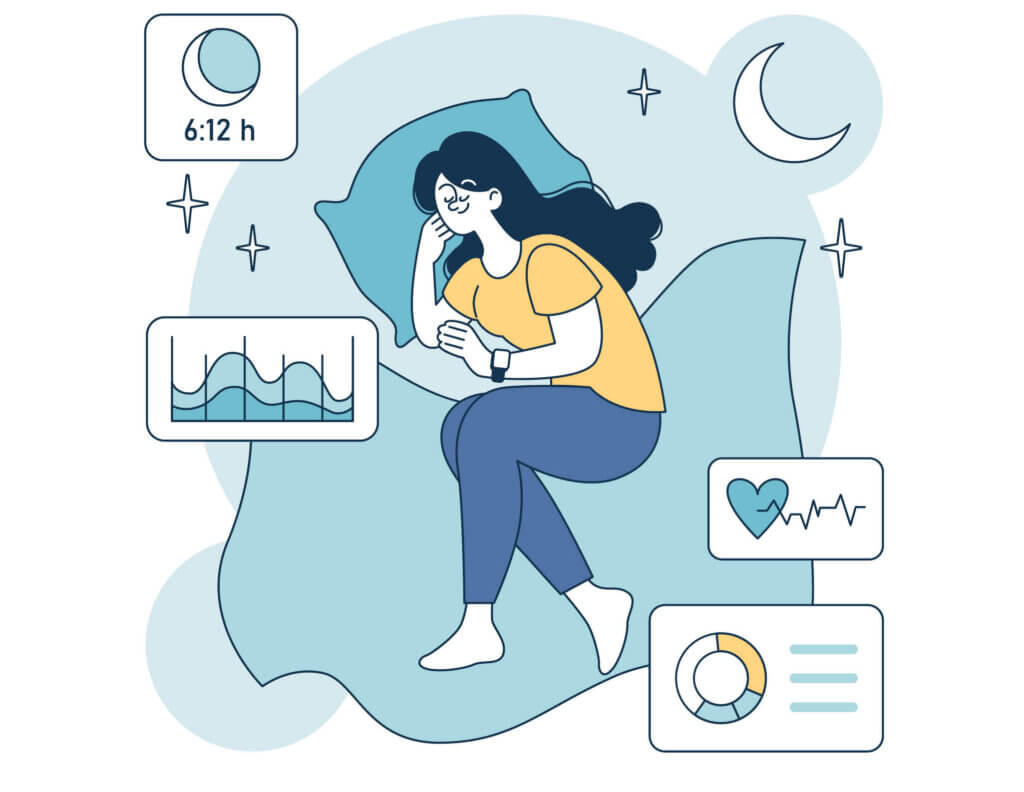
More telling: 55% of those users say they’ve changed their behavior based on what the tracker showed them. Many shoppers aren’t just collecting data; they’re acting on it and may expect products or advice to “move the numbers.”
This fits a broader pattern in personal health tracking. Pew Research has found that about 1 in 5 U.S. adults regularly wears a smartwatch or fitness tracker. Sleep is increasingly quantified, and those metrics are making their way into retail conversations.
How tracking reshapes the sales floor
When customers bring tracker language into the store, it often surfaces in predictable ways:
• They want explanations, not just features. A shopper who says, “My deep sleep is low,” is usually asking why, and what might help.
• Numbers can override experience. Someone may feel rested but question it because their score was “bad.”
• Comparisons escalate expectations. Partners compare results. Social media amplifies optimization routines. In some cases, AASM notes, this focus can increase stress around sleep itself.
A useful reality check
Most consumer trackers estimate sleep using movement and heart rate, not the full clinical measurements used in a sleep lab. Research comparing popular devices to polysomnography (the clinical gold standard) shows they can be directionally helpful, but accuracy varies. Trends over time tend to be more reliable than any single-night score.
For retail conversations, that distinction matters. A sleep score of “72” or “85” isn’t a diagnosis; it’s context. Recognizing when numbers are creating pressure can help shift the conversation back to comfort, routine, and how someone actually feels.
Meeting customers where they are
A balanced approach builds trust:
• Acknowledge why the data matters.
• Position tracker results as one piece of the puzzle.
• Focus on comfort, support, and consistency.
• Avoid medical claims or guarantees.
The opportunity
Wearable sleep tracking is expanding, and shoppers are adjusting habits based on what they see. The opportunity isn’t to promise “perfect sleep.” It’s to translate data into practical, human improvements customers can genuinely feel.