

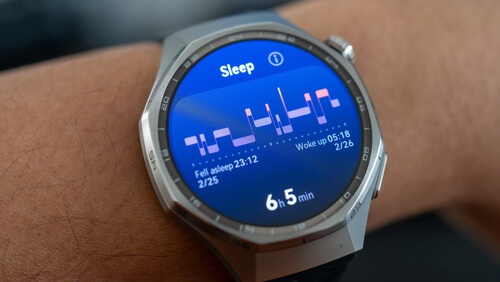
A new National Sleep Foundation study found that 86% of U.S. adults surveyed weren’t currently using sleep-tracking technology. And concerns about the technology extended beyond whether people wanted another gadget at bedtime.
Nearly 62% expressed concerns about the potential misuse of personal information collected by sleep trackers, while 65% were skeptical about the benefits of technology for improving sleep health.
The findings add perspective to other research suggesting that sleep tracking is becoming increasingly familiar. An American Academy of Sleep Medicine survey found that nearly half of U.S. adults had used a sleep tracker.
The surveys aren’t directly comparable (one examined current use and the other whether consumers had ever used the technology) but they suggest that interest and adoption aren’t necessarily the same thing.
The NSF study, published in Sleep Health, surveyed 1,009 American adults and 1,000 adults in South Korea. Researchers concluded that education about the capabilities and limitations of sleep technology could help build consumer confidence.
For mattress retailers offering sleep-tracking products or connected sleep systems, that’s a useful consideration. Explaining how a technology works is only part of the conversation. Shoppers may also want to understand what information it collects, how that information is used, and what the technology can realistically tell them about their sleep.
Sometimes, building confidence begins with explaining the limitations as clearly as the benefits.
Source: National Sleep Foundation